Glassydrop: Elevate Your Designs with Liquid Typography
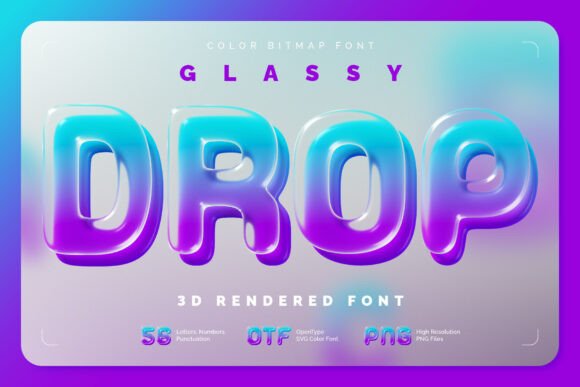
Imagine a typeface that doesn't just sit on your canvas but seems to float within it, capturing light and depth in every letter. This is the immediate visual impact of Glassydrop, a modern 3D typeface designed to bring a mesmerizing liquid aesthetic to your creative projects. Moving beyond flat design, this innovative color bitmap OpenType-SVG font presents abstract, rounded glass letters against a smooth, refractive gradient backdrop. The result is a transparent, dynamic, and inherently high-end visual experience that can instantly elevate any design.
Understanding the Glassydrop Font Technology
Glassydrop is more than just a font; it's a sophisticated creative asset built on advanced color font technology. Each character is a miniature piece of digital art, featuring the intricate details of light refraction and liquid motion. For designers seeking maximum versatility, the font set includes high-resolution PNG files with transparent backgrounds, allowing for seamless integration into any composition. It is important to note that this font supports the English language and basic punctuation, and while the OpenType-SVG technology is relatively new, it is compatible with most popular design applications, including Adobe Photoshop, Illustrator, InDesign, and Procreate.
Practical Applications for Modern Design Needs
The unique character of Glassydrop makes it a powerful tool across a wide spectrum of creative projects. Its ability to convey innovation, clarity, and modern sophistication is invaluable. Consider its application in:
- Branding and Logo Design: Create a distinctive brand identity that feels futuristic and premium. A Glassydrop logomark can become the centerpiece of a visual system for tech startups, luxury brands, or creative agencies.
- Marketing and Social Media Graphics: Capture attention instantly in crowded digital feeds. The font is perfect for hero text on websites, striking headlines in digital advertising, and engaging social media posts that demand interaction.
- Editorial and Packaging Design: Add a layer of tactile luxury to magazine layouts, book covers, or product packaging. Its 3D effect creates a strong visual hierarchy, guiding the viewer's eye with elegance.
- Presentations and Digital Products: Transform standard slides into memorable visual experiences. Use it for key titles in a pitch deck, or to design standout covers for e-books and digital guides, enhancing the perceived value of your content.
Integrating Glassydrop into Your Design Workflow
While a show-stopping asset like Glassydrop can inspire many ideas, effective implementation requires strategic thinking. To ensure it enhances rather than overwhelms your work, consider these factors:
- Visual Hierarchy and Readability: This font is designed for impact, not body text. Use it for headlines, logos, and short, punchy phrases where its detail can be appreciated at a glance. Always pair it with a clean, highly readable sans-serif or serif font for longer passages to maintain clarity.
- Audience and Context: Evaluate if the liquid, modern aesthetic aligns with your target audience and project goals. It excels in contexts related to technology, innovation, beauty, and luxury but may not suit a traditional or rustic brand voice.
- Color and Composition: The refractive gradient works best against simple, solid backgrounds that allow it to stand out. Ensure your overall color palette complements the font's inherent hues to create a cohesive and polished final presentation.
In the realm of graphic design, the tools you choose directly influence the story you tell and the emotion you evoke. Thoughtful typography is a cornerstone of effective visual communication, and selecting the right creative assets can define the quality of your professional presentation. By incorporating a meticulously crafted element like Glassydrop, you are not just adding style; you are investing in a component that can sharpen your visual hierarchy, strengthen brand perception, and create a more engaging user experience. Ultimately, the most successful designs are those where every element, from the color palette to the typeface, works in harmony to deliver a clear, compelling, and memorable message.