Navy Color Font: A Typographic Revolution for Designers
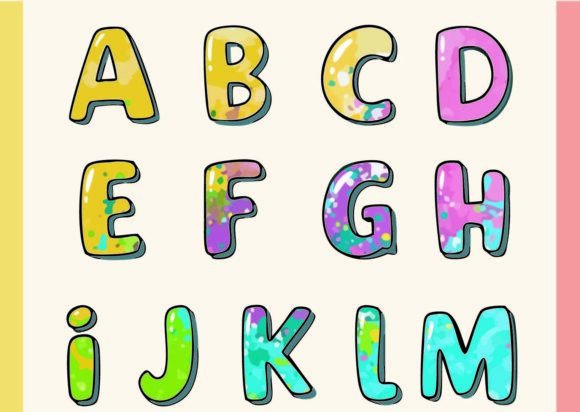
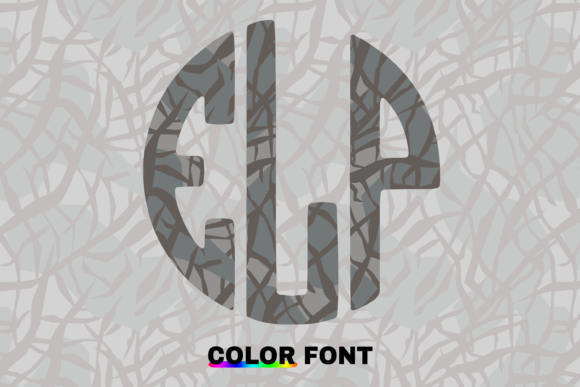
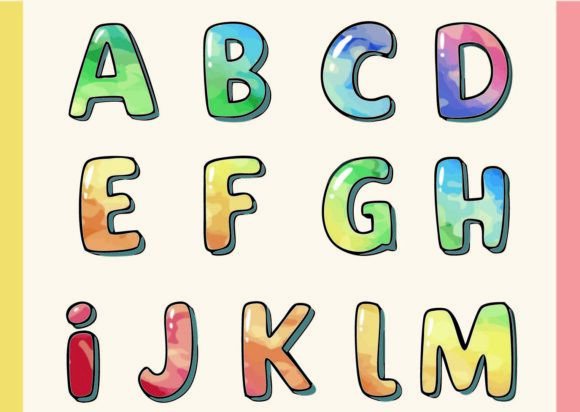
Imagine a single typeface where every letter is a unique, multi-colored masterpiece, transforming standard text into a vibrant visual feast. This is the promise of the Navy color font, a creative asset that redefines what typography can achieve in modern graphic design. Far from a simple set of glyphs, Navy offers complex, painterly paths within each character, creating a colorful heaven for designers seeking to inject immediate visual impact and artistic flair into their work.
Understanding the Navy Color Font Phenomenon
Navy is an OpenType-SVG color font, a format that embeds rich, vector-based color information directly into the font file. Unlike traditional fonts that rely on a single color, each glyph in the Navy font features its own intricate color palette and detailed artwork. This technology allows for gradients, textures, and multi-hued designs that were previously only possible with individual image files. The result is a typographic painting in every character, offering a level of detail and creativity that standard fonts simply cannot match.
This innovation is particularly significant for designers focused on brand identity and visual design. A distinctive color font like Navy can become the cornerstone of a logo design or a key element in a branding system, ensuring a brand stands out with a modern, artistic aesthetic. Its compatibility with major design software like Photoshop, Illustrator, Silhouette, and Inkscape via OTF and TTF files makes it a practical tool for a wide range of creative projects.
Practical Applications Across Creative Disciplines
The versatility of a color font like Navy extends across numerous design contexts, offering solutions for enhancing visual communication and user engagement.
- Branding and Logo Design: Use Navy to create a standout logo or monogram that feels both contemporary and artistic, instantly conveying a brand's creative personality.
- Marketing Materials: From flyers and brochures to digital ads, Navy glyphs can act as eye-catching headlines or accent elements, improving the visual hierarchy and stopping power of any layout.
- Social Media Graphics: In the fast-scrolling world of social media, Navy's colorful complexity can make posts, stories, and thumbnails more engaging, boosting digital marketing efforts.
- Website and UI Design: While best used sparingly for impact—like in hero sections or feature callouts—Navy can add a unique, premium touch to web design and UI design elements.
- Editorial and Packaging Design: For magazine covers, book titles, or product packaging, Navy provides a sophisticated, art-forward alternative to standard typography, enhancing print design and shelf appeal.
Tips for Effective Integration into Your Design Workflow
To harness the power of a color font like Navy effectively, consider these practical guidelines for your design workflow.
Prioritize Context and Readability: While visually stunning, complex color fonts are best used for display purposes—headlines, logos, or short call-to-action text. Avoid using them for long body paragraphs where readability is paramount. Always test how the font renders at different sizes to ensure the intricate details remain clear.
Harmonize with Your Color Palette: Even though Navy has its own colors, it should complement, not clash with, your project's broader color palette. Use the font's hues as a guide for selecting supporting colors in your layout to create a cohesive and professional presentation.
Evaluate Scalability and Compatibility: Confirm that the font performs well at the scales you need, from small social media icons to large packaging design prints. Ensure your chosen design software fully supports OpenType-SVG color fonts to avoid rendering issues.
Align with Audience and Goals: Consider your audience's expectations and the project's goals. A bold, artistic font like Navy is perfect for targeting a design-savvy audience or for projects that aim to project innovation and modern aesthetics.
Thoughtful design choices are the bridge between a concept and its successful communication. By integrating high-quality, innovative assets like the Navy color font, designers can elevate their work beyond mere functionality, creating memorable experiences that resonate on a visual and emotional level. Investing in such creative assets is an investment in clearer communication, stronger branding, and ultimately, more impactful design.