Unleash Creative Flow with the Paint Font
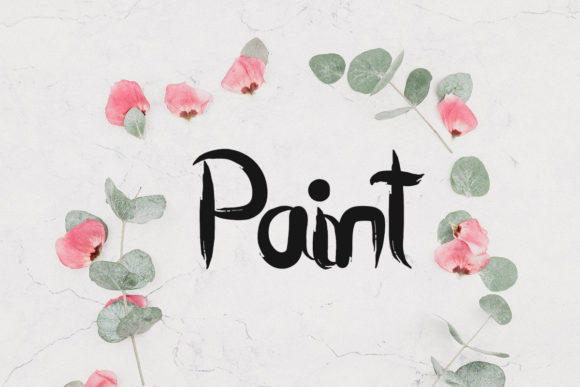
In a digital landscape saturated with clean, sterile typography, introducing an element of tactile, hand-crafted energy can be a game-changer. Paint is a cool, paint brushed color font that delivers exactly that—a burst of natural, unique style that can elevate a vast pool of designs. Its inherent character and visual texture provide an immediate sense of authenticity and creativity, making it a powerful asset for any designer looking to break free from conventional constraints.
Understanding the Modern Appeal of Paint
At its core, Paint is an OpenType-SVG color font. This means the letters themselves contain rich color and texture data, moving beyond flat, single-color glyphs. This technology allows for stunningly realistic paintbrush strokes and gradients directly within your typography. For graphic design, this is significant. It enables designers to achieve complex, layered visual effects that traditionally required extensive manual work in image editing software, all within a simple text layer. This capability is invaluable for creating strong brand identity systems that demand a distinctive, memorable voice.
However, it's crucial to note its technical specifications. The OTF and TTF files are not compatible with Cricut, making it essential for crafters to verify software support. This font shines in professional environments like PhotoShop, Illustrator, Silhouette, and Inkscape, where its full color potential can be utilized for digital and print design projects.
Practical Applications for Maximum Impact
The versatility of a paint-style font like Paint extends across numerous creative projects. Its expressive nature is perfect for designs that require a human touch, energy, or artistic flair.
- Branding and Logo Design: Ideal for brands in creative industries, wellness, education, or any space wanting to project approachability and imagination. It can form the cornerstone of a dynamic logo or be used for impactful brand slogans.
- Marketing Materials: Inject life into social media graphics, email headers, and digital ads. Paint naturally draws the eye, improving visual hierarchy and engagement in crowded feeds.
- Packaging and Editorial Design: Use it for headlines on book covers, magazine spreads, or artisan product packaging to evoke a handcrafted, premium feel that resonates with consumers.
- Website and UI Design: Apply it strategically to hero sections, call-to-action buttons, or event banners within a web design to create focal points and guide user experience (UX) without overwhelming the layout.
- Presentations and Merchandise: Transform mundane slides into compelling narratives or create standout designs for apparel, posters, and physical goods.
Integrating Paint Effectively into Your Design Workflow
While Paint offers immense creative freedom, thoughtful application is key to maintaining professionalism and clarity. First, consider your color palette. Since the font has built-in color, ensure it complements your overall scheme without clashing. Test it against various backgrounds to guarantee readability and contrast.
Second, visual hierarchy is paramount. A font this expressive is best reserved for headlines, logos, or short, impactful phrases. Using it for long paragraphs would compromise readability. Pair it with a clean, neutral sans-serif or serif font for body copy to create balance and ensure your message is communicated effectively.
Finally, always keep your audience and design goals in mind. Paint excels in contexts where creativity, fun, and personal expression are valued. It may be less suitable for highly corporate or formal communications where understated elegance is required. By evaluating its fit within your existing brand system and the specific requirements of each project, you can leverage its strengths to create truly memorable and high-quality designs.
Ultimately, the tools you choose define the quality and impact of your work. Investing in versatile, high-caliber creative assets like the Paint font allows you to expand your visual vocabulary, solve design challenges with greater efficiency, and produce work that not only looks stunning but also connects more deeply with your intended audience. Thoughtful typography and asset selection are the bedrock of effective visual communication.